
Dry Running Agitator Mechanical Seal
- Top-entry vessel seal, non-contacting design
- Gas or air barrier lubrication
- No product contact with seal faces
- Suited to reactors run empty or under vacuum
- Handles agitator shaft runout and deflection
- Sanitary and pharma-grade construction available
Sealing the Vessel, Not Just the Shaft
An agitator seal has a different job than a pump seal from the outset — it's mounted on top of a reactor or vessel, sealing against a shaft that's often longer, less rigid, and subject to more runout from the mixing blades below than any pump shaft would see, which is why the dry running design leans on a non-contacting, gas-lubricated face rather than depending on the vessel's contents for lubrication. That distinction matters most in batch processes where the vessel runs empty between cycles, or under vacuum where liquid-lubricated faces would run dry and score regardless of design intent. Fitting one means securing the seal housing to the vessel's top flange, aligning the agitator shaft through the seal bore, and connecting the gas or air barrier supply before checking for shaft runout within tolerance — a step that matters more here than on a typical pump installation. For complete step-by-step installation instructions and torque specifications, refer to our detailed installation guide on the blog.Technical Details & Engineering Data
Operating Limits
Standard operating parameters for continuous duty
| PRESSURE | Full vacuum to 10 bar / 145 PSI |
| TEMPERATURE | -40°C to +200°C |
| SPEED | Up to 5 m/s (agitator shaft speed range) |
| SHAFT SIZE | 30 mm to 250 mm (1.2" to 9.85") |
Related Mechanical Sealing Solutions
Explore complementary cartridge seals, component seals, and engineered seal support systems.
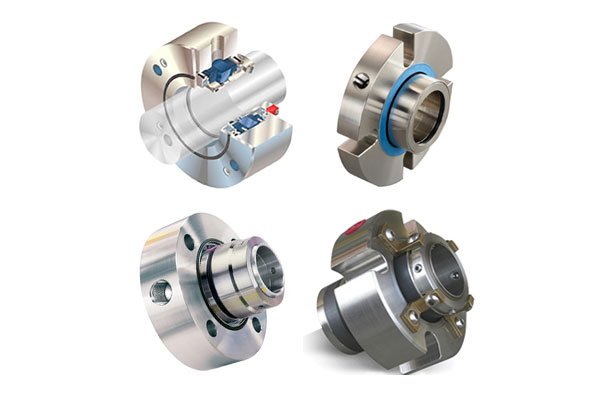
Side Entry Agitator Mechanical Seal
Side entry mechanical seal for paper pulp stock chest and storage tanks.
Single Agitator Mechanical Seal
Single mechanical seal engineered for reactor vessels and mixing tanks.
Top Entry Agitator Mechanical Seal
Heavy duty top entry agitator seal accommodating high shaft runout.
Bottom Entry Agitator Mechanical Seal
Bottom entry slurry agitator seal built for severe abrasives and crystallization.
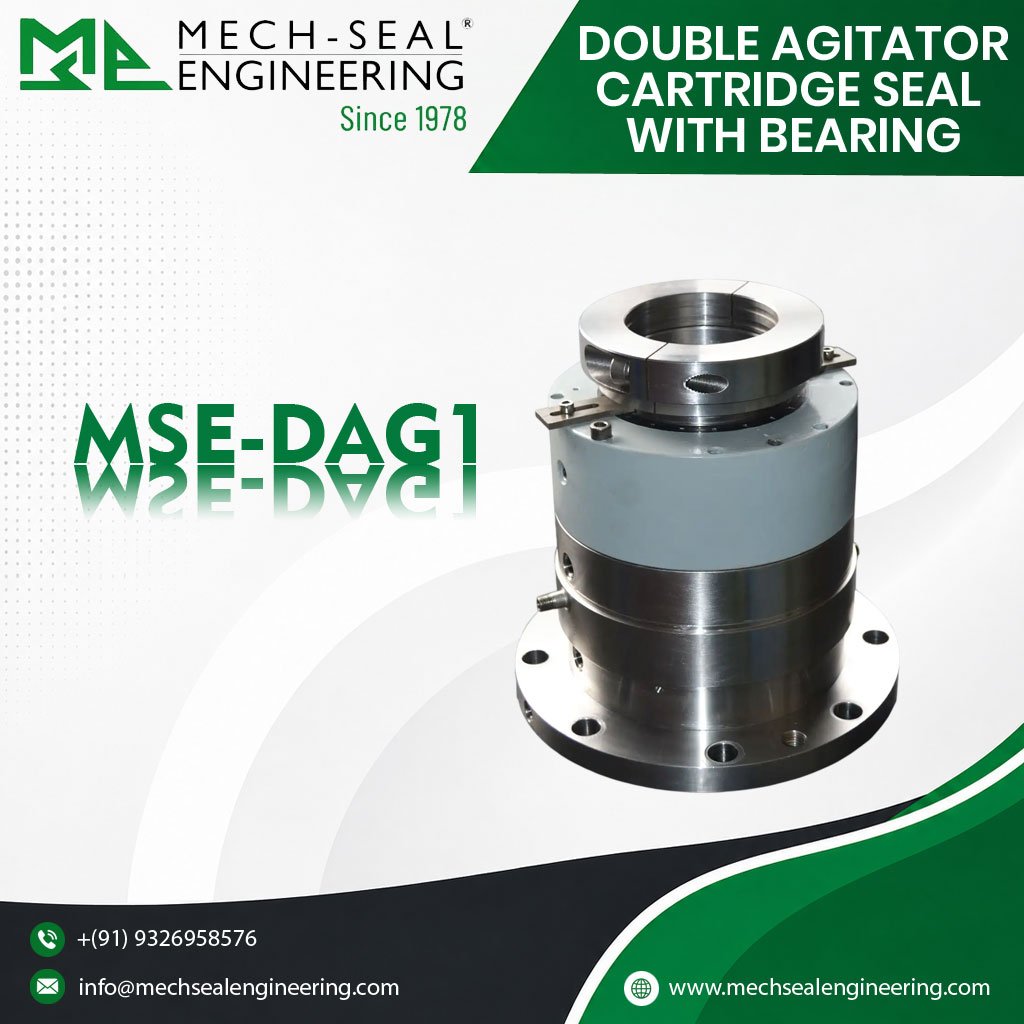
Double Agitator Mechanical Seal
Double mechanical seal with liquid barrier system for high pressure agitators.